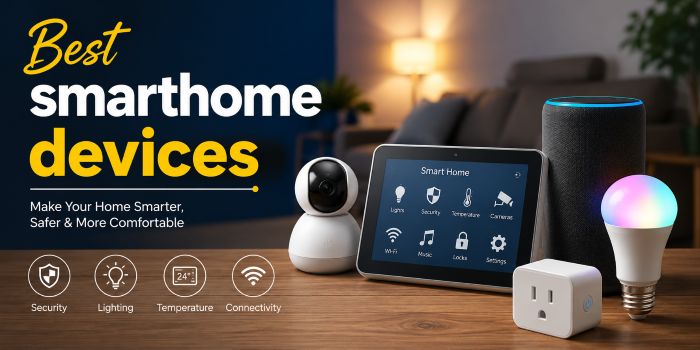
The smart home market has matured fast, and 2026 is shaping up to be the year “smart” finally means simple. With Matter and Thread now standard across most major brands, devices that used to fight for control of your house now talk to each other seamlessly. Whether you’re starting from scratch or upgrading an older setup, here’s a practical, no-fluff look at the best smart home devices in 2026 and how to choose the right ones for your home.
Why 2026 Is a Turning Point for Smart Homes
For years, the biggest complaint about smart home tech was fragmentation — an Alexa speaker here, a Google-only thermostat there, a lock that only worked with its own app. That’s changed. The widespread adoption of the Matter protocol means most new smart home devices in 2026 work across Amazon Alexa, Google Home, Apple Home, and Samsung SmartThings without extra hubs or workarounds. This shift is the single biggest reason now is a smart time to invest in a connected home.
Best smart home devices
1. Smart Speakers and Hubs
Your smart home starts with a central hub, and in 2026 that’s usually a smart speaker doubling as a Thread border router. These hubs don’t just play music — they coordinate your lights, locks, thermostats, and sensors in real time.
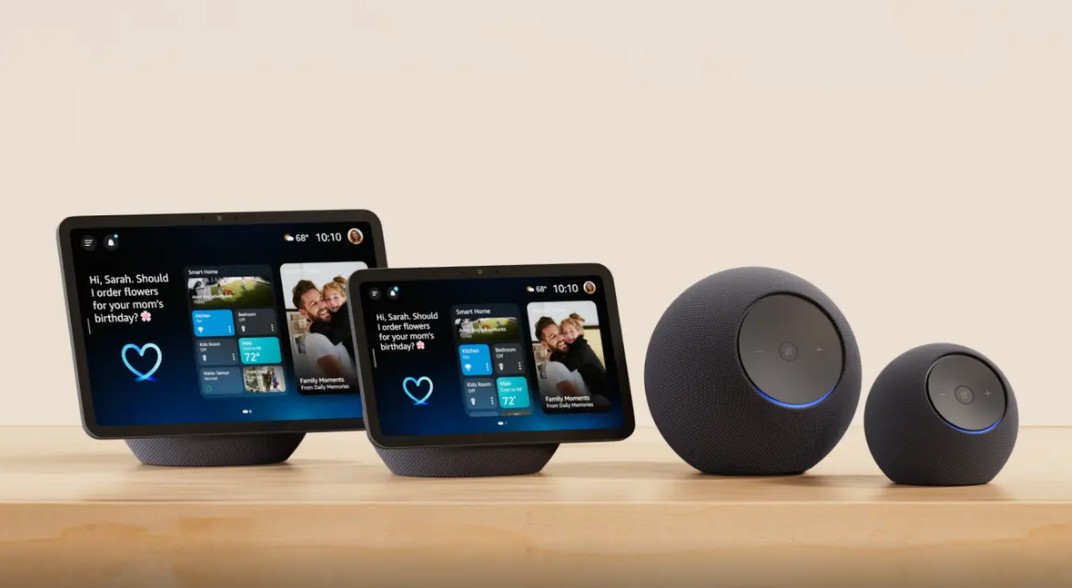
What to look for:
- Built-in Thread and Matter support
- Local voice processing for faster response and better privacy
- Multi-room audio if you want music synced across the house
Budget-friendly hubs now offer near-flagship features, so you don’t need to spend a fortune to get a capable brain for your smart home.
2. Smart Locks
Smart locks have gone from a novelty to one of the most practical upgrades a homeowner can make. The best smart locks in 2026 combine fingerprint recognition, PIN codes, and app-based access, so you’re never locked out even if your phone dies.
Key features to prioritize:
- Fingerprint or facial recognition for keyless entry
- Auto-lock and geofencing so doors lock automatically when you leave
- Battery backup and physical key override for peace of mind
- Matter compatibility so the lock integrates with your existing hub
For families, guest access codes that expire automatically are especially useful — no more worrying about who has a spare key.
3. Robot Vacuums
Robot vacuums have quietly become one of the most-loved smart home devices, and 2026 models are smarter and quieter than ever. Advanced LiDAR mapping, obstacle avoidance, and self-emptying bases mean less manual work than ever before.
What’s new this year:
- Mop-and-vacuum combo units that adjust suction and water flow room by room
- AI-based furniture and pet-mess detection
- Voice control integration (“Clean the kitchen” works instantly)
- Quieter motors, some under 55 decibels, ideal for homes with pets or babies
If you’re choosing just one automation device to start with, a robot vacuum remains one of the highest-satisfaction purchases you can make.
4. Smart Thermostats
Energy costs remain a top concern for households, and smart thermostats are one of the fastest ways to cut utility bills without sacrificing comfort. The best smart thermostats in 2026 use occupancy sensors and weather data to fine-tune your home’s temperature automatically.
Standout features:
- Room-by-room temperature sensors for more even heating and cooling
- Energy usage reports that help you spot waste
- Integration with solar and battery systems for homes going green
- Voice and app control, plus full Matter compatibility
Many utility companies still offer rebates for smart thermostat installation, so it’s worth checking local programs before you buy.
5. Smart Lighting
Smart bulbs and switches remain one of the most affordable entry points into home automation, and the options in 2026 go well beyond simple on/off scheduling.
Popular features this year:
- Tunable white and full-color RGB bulbs controllable by app or voice
- Circadian lighting that adjusts color temperature throughout the day to support better sleep
- Motion-based automation for hallways, closets, and outdoor spaces
- Scene presets for movie nights, work-from-home lighting, or parties
Smart switches are also worth considering if you’d rather keep your existing bulbs — they let you automate lighting without replacing every fixture in the house.
6. Smart Plugs and Sensors
Small, inexpensive, and easy to install, smart plugs and sensors are the unsung heroes of a connected home. They let you automate everything from coffee makers to space heaters, and combined with motion or door sensors, they add a real layer of security and convenience.
Great use cases:
- Motion sensors that trigger lights when you enter a room
- Leak sensors placed near water heaters and washing machines to prevent costly damage
- Smart plugs that track energy usage on individual appliances
How to Choose the Right Smart Home Devices in 2026
With so many options, it helps to prioritize based on what actually improves your daily life:
- Start with a hub that supports Matter and Thread, so future devices connect easily.
- Focus on daily friction points — if you’re always losing keys, start with a smart lock; if energy bills are high, a thermostat pays for itself quickly.
- Check compatibility before buying — even with Matter’s growth, always confirm a device works with your existing ecosystem.
- Think about privacy — look for devices offering local processing and clear data policies, especially for cameras and voice assistants.
- Build gradually — a smart home doesn’t need to be assembled all at once. Start with one or two devices, learn what fits your routine, and expand from there.
Final Thoughts
The best smart home devices in 2026 aren’t just about novelty — they genuinely save time, cut energy costs, and add a real layer of security and convenience to everyday life. With Matter-driven compatibility now the norm, building a smart home has never been easier or less risky. Whether you start with a smart speaker, a robot vacuum, or a simple smart plug, each device you add makes your home a little more responsive to how you actually live.
Read More:-